Ghost Kitchen Photography: How Delivery-Only Brands Win on the Apps in 2026
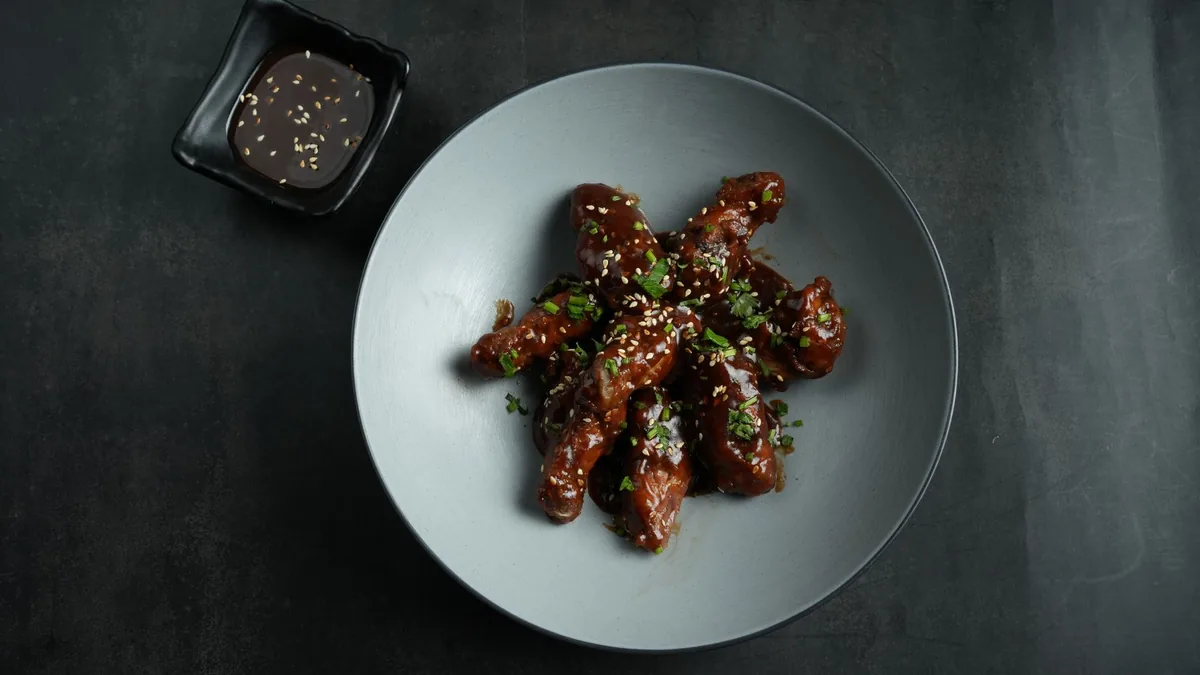
For a ghost kitchen, the photo is the storefront. A delivery-only brand has no dining room, no signage, no staff, and no aroma drifting from the kitchen. The customer’s entire impression forms inside the rectangle of a phone, scrolling past a hundred competing tiles in under a minute. That makes ghost kitchen photography a different discipline from traditional restaurant photography, and getting it wrong is one of the most common reasons virtual brands stall in their first 90 days. This is the 2026 playbook: why photos carry so much weight, a launch checklist, multi-brand strategy, and the cost math that makes it work.
The single idea to internalize: the photo is not marketing for the storefront; it is the storefront. It is also the menu, the mood, the trust signal, and the price justification, all at once.
Why ghost kitchen photography is its own discipline
A brick-and-mortar restaurant has a hundred ways to convey its brand: the door, the music, the staff, the smell when you walk in. A delivery-only brand has none of those. Three structural realities follow:
- One brand identity per photo set, not one menu per shoot. A traditional restaurant shoots its menu. A virtual operator running several brands from one kitchen needs each brand to look like a completely separate restaurant, with its own consistent visual identity.
- The thumbnail is the entire first impression. There is no host, no patio, no ambiance to lean on. A weak hero image means a customer never opens the listing.
- Trust has to be built in pixels. With no physical location to reassure them, customers judge legitimacy almost entirely on how professional and consistent the photos look.
The launch checklist
Before a virtual brand goes live on the apps, every item below should be true:
- A strong hero image for the listing that reads clearly at thumbnail size.
- A clean photo for every menu item. Customers cannot ask staff or taste-test, so each dish must sell itself.
- One consistent style across that brand’s whole menu (background, angle, light, color).
- Crop-safe framing so the apps’ crops never cut off the food.
- Accurate portions and ingredients, so what arrives matches what was shown.
- Platform-correct exports for each app you list on.
Skipping any of these tends to show up later as a weak conversion rate that no amount of ad spend fixes. For the framing and export specifics, see our DoorDash + Uber Eats photo requirements guide.
Multi-brand strategy: one kitchen, several identities
The economics of ghost kitchens come from running multiple brands out of shared equipment. The photography has to support that, which means each brand needs a distinct, consistent look:
| Brand archetype | Visual mood that fits |
|---|---|
| Smash burgers | Bright, punchy, casual, high contrast |
| Korean fried chicken | Dark, glossy, saucy, dramatic |
| Healthy bowls | Light, fresh, clean, airy |
| Breakfast / comfort | Warm, cozy, golden tones |
Apply one mood per brand uniformly. The mistake to avoid is letting every brand drift toward the same generic style, which makes them feel like one operation wearing different hats, exactly the impression a virtual brand cannot afford. Our restaurant photo growth-system guide covers how to lock and document a style so it stays consistent.
The cost math that makes it work
Here is why traditional photography breaks the ghost-kitchen model. A studio shoot can run hundreds to thousands of dollars per brand and take weeks to schedule and deliver. When you launch brands quickly, test concepts, and kill the ones that do not work, a five-figure photo budget per brand is impossible to justify, and the breakfast and comfort concepts that need the most polish are usually the ones that get the least.
Enhancing real phone photos of your real dishes flips that math. You shoot each dish on a phone in your own kitchen, then run it through a fast enhancement that fixes lighting, color, gloss, background, and crop without changing the food. The cost drops to a fraction per finished image and the turnaround is minutes, not weeks. That means every brand, even the experimental ones, can launch with a professional, consistent photo set. Try it on one of your dishes in the Menu Test Pack.
The hero image: where most listings are won or lost
Inside a ghost kitchen’s photo set, one image does the heaviest lifting: the listing hero. It is the tile a customer sees in search results and at the top of your menu, and it decides whether they open the listing at all. A strong hero shares a few traits:
- It is your most crave-worthy dish, not necessarily your cheapest or your newest.
- It reads instantly at thumbnail size, with the food filling the frame.
- It matches the brand’s mood (bright and punchy, or dark and glossy) so the identity is clear before a single word is read.
- It is accurate, so the customer who orders it is not disappointed.
Spend disproportionate effort on the hero. Improving it often lifts a whole listing more than reshooting the rest of the menu.
Iterating across brands without starting over
The advantage of running multiple virtual brands is speed: you can test concepts and double down on what works. Your photo workflow should match that speed. Because enhancement turns phone photos into menu-ready images in minutes, you can:
- Launch a new concept with a full photo set the same week you build the menu.
- Refresh a struggling brand’s photos quickly when sales lag.
- Retire a concept without having sunk a studio budget into it.
This is the operational reason enhanced phone photography fits ghost kitchens so well: it makes professional photos cheap and fast enough to treat as a routine input, not a rare event. The same weekly-sprint discipline that powers a restaurant photo growth system applies here, just multiplied across brands.
Common ghost kitchen photo mistakes
Delivery-only operators tend to make the same avoidable errors. Each one quietly caps conversion:
- Reusing one generic style across every brand. It saves time but destroys the illusion that these are separate restaurants. Customers who notice feel manipulated, and the trust you need most evaporates.
- Launching with placeholder or stock-looking photos. A new virtual brand with obviously generic images reads as a fly-by-night operation. Shoot your real dishes, even roughly, then enhance them.
- Forgetting the platform crop. A photo that looks great full-size but loses its hero ingredient in the app’s square crop is a wasted shot. Frame with margin on all sides.
- Inconsistent portions between brands and reality. With no dining room to anchor expectations, the photo is the promise. If the box is smaller than the picture, the review will say so.
- Never refreshing. A virtual brand that looks identical for a year reads as abandoned. A light, periodic refresh keeps each listing feeling current.
For a deeper, brand-building walkthrough specific to delivery-only concepts, our ghost kitchen food photography playbook covers how to make a virtual brand look like a real restaurant from day one.
What it costs to do this right
Here is the practical math an operator can act on today. Enhancing real phone photos is credit-based, so you can scope it to exactly what a brand needs:
- A new brand with a 12-item menu needs roughly 12–15 finished images (each item plus a hero or two).
- A $10 Menu Test Pack (10 credits) is enough to test the workflow on your hero and a few top items before committing.
- Plans start at $15/mo for 50 credits — enough to launch a small brand’s full menu in a month — and credits roll over, so a slow build week banks capacity for a busy launch week.
That cost profile is what makes the multi-brand model viable: every concept, even the experimental ones you might kill, can launch looking professional without a per-brand studio invoice. See the full pricing to map credits to your brand count.
Keep it honest, especially with no storefront
A delivery-only brand has no physical reality to fall back on, so a photo that oversells is pure liability. If the wings look glossier and the portion bigger than what arrives, the customer’s only takeaway is that the brand is not trustworthy, and the one-star review says exactly that. Enhance the real dish; never fabricate one. Honest enhancement is what lets a brand-new virtual brand look as legitimate as an established one, without lying to get there.
Treat the photo as the storefront, give each brand its own consistent identity, and use enhanced phone photos to make the cost math work. When you are ready to give every virtual brand a professional photo set without a studio budget, see our simple credit-based pricing and turn kitchen phone shots into delivery-ready images in minutes.
Turn this strategy into menu-ready photos
FoodPhoto.ai helps restaurants enhance real dish photos for delivery apps, websites, ads, and local search while keeping the food accurate to what guests receive.
See pricing or open the FoodPhoto.ai Studio.
Frequently asked questions
Why is ghost kitchen photography different from restaurant photography?
A delivery-only brand has no dining room, signage, staff, or ambiance to convey its identity. The customer’s entire impression forms inside the rectangle of a phone, scrolling past competing tiles. For a ghost kitchen, the photo is the storefront, the menu, the mood, and the price justification all at once, so it carries far more weight than in a brick-and-mortar restaurant.
How many photos does a ghost kitchen brand need to launch?
At minimum: a strong hero image for the listing, plus a clean, consistent photo for every menu item, since customers cannot taste-test or ask staff. Each virtual brand needs its own distinct photo set and visual identity so it reads as a separate restaurant, even when several brands share one kitchen.
How do you keep multiple virtual brands visually distinct?
Give each brand its own consistent look: a specific background, color mood, and styling that matches its concept, and apply it uniformly across that brand’s whole menu. The goal is one identity per brand, not one shared style across all of them, so each listing feels like its own restaurant.
How much does ghost kitchen photography cost?
Traditional studio shoots can run hundreds to thousands of dollars per brand and take weeks, which is hard to justify when you launch and iterate brands quickly. Enhancing real phone photos of your real dishes costs a fraction of that per image and turns around in minutes, so you can give every brand a professional photo set without a five-figure production.