Restaurant Marketing with Visual Content: The Simple Funnel That Sells
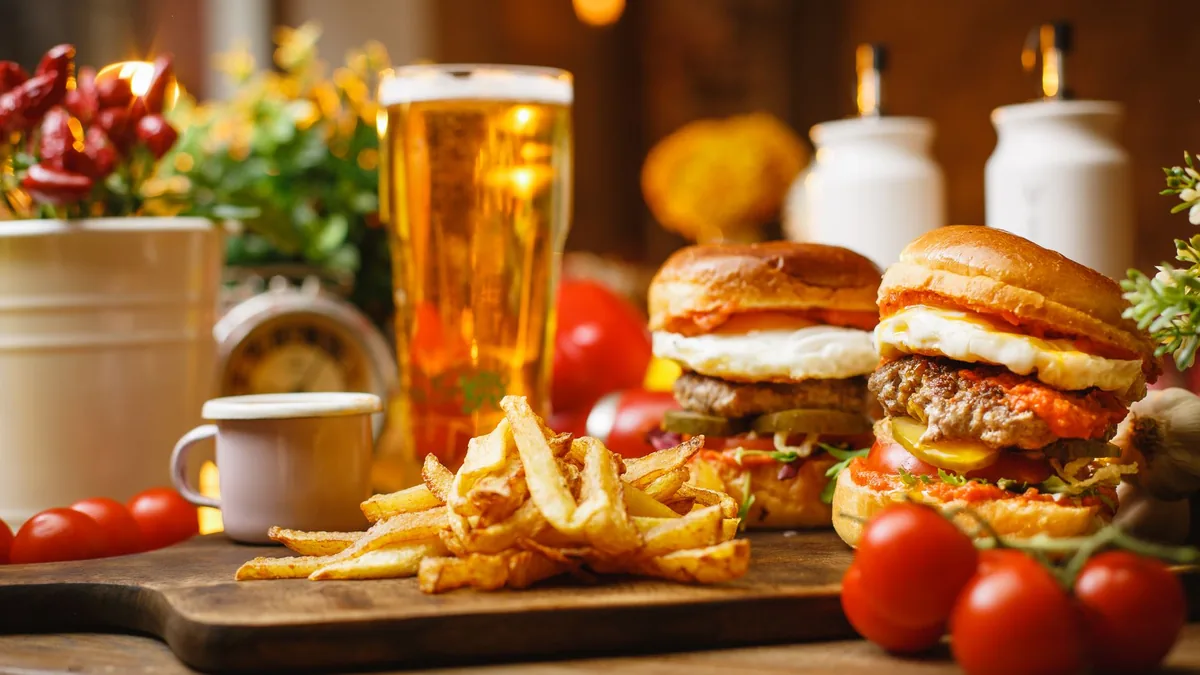
Most restaurants treat photos as decoration. The ones that grow treat them as a system. Restaurant marketing with visual content works best as a simple funnel — different photos do different jobs at different stages of the customer journey, and one weekly shoot can feed all of them. This guide lays out that funnel and the workflow to keep it running.
The short version: discovery needs scroll-stopping visuals to earn attention, conversion needs clean and accurate menu photos to win the order, and retention needs trust-building images that bring people back. Map your photos to those three jobs and your visual content starts producing orders instead of just likes.
Why a funnel beats "posting nice photos"
A beautiful plate shot is not automatically good marketing. A photo only works if it matches what the customer needs at that moment. Someone scrolling Instagram needs a reason to stop; someone on your DoorDash page needs to know exactly what they are buying; someone deciding whether to come back needs to trust you. Use the wrong photo for the wrong stage and even great food looks unconvincing. The funnel keeps you producing all three types instead of over-investing in one.
Stage 1: Discovery — get attention
Discovery is the top of the funnel, where people who do not yet know you scroll past on social and search. Here, boldness beats subtlety. The job is to stop the thumb.
- Hero items shot big and bright — your most visually striking dish, filling the frame.
- Short video and action shots — a cheese pull, a pour, steam rising, a sizzle. Motion earns reach on Reels, TikTok, and Shorts.
- High-contrast, appetizing color — discovery content can lean a little more dramatic than your menu photos, as long as it stays honest to the food.
The metric here is attention, not orders yet. The goal is to be seen by people who will later look you up. For the formats and cadence behind this, see our iPhone food photography workflow, which makes capturing this content fast.
Stage 2: Conversion — get the order
Conversion is where attention becomes revenue: your delivery-app listings, website menu, and Google Business Profile. Here the rules flip. Clarity and accuracy beat drama. A moody hero shot that looks great on Instagram can fail on a delivery rail where the dish must be identifiable at thumbnail size.
- Clean, consistent menu photos — same angles, same backgrounds, same lighting across the menu so it reads as one professional brand.
- Accurate color and portion — the photo should match what the customer actually receives. Over-edited images create distrust and refunds.
- Thumbnail-first framing — the hero ingredient centered and large, with safe crops so platforms do not chop the food.
This is the highest-ROI stage for most restaurants, because these are the photos customers see right before they decide to pay. A quick menu photo audit is the fastest way to find what is leaking orders here.
Stage 3: Retention — earn the repeat visit
Retention is the bottom of the funnel — turning a first order into a regular. The currency is trust, and trust is built with people and process, not just plated food.
- Behind-the-scenes — prep, the kitchen, the grill, the bakery at 6am.
- Team and community — the faces behind the food, regulars, local moments.
- Reviews and proof — real customer photos and quotes that show you deliver.
This content tells customers there is a real, reliable operation behind the order — the reason they choose you again instead of the next listing.
One weekly shoot feeds the whole funnel
Here is the part that makes this practical: you do not need three separate content efforts. One focused weekly session can produce discovery, conversion, and retention assets at once if you plan the shot list and export the right formats. A simple weekly plan:
| Funnel stage | Capture this week | Export as |
|---|---|---|
| Discovery | 1-2 hero items + one short clip | Vertical 9:16, square 1:1 |
| Conversion | 5-6 top sellers / specials, consistent angles | Delivery crops, 4:5, 16:9 |
| Retention | 1 behind-the-scenes or team moment | Square 1:1, story 9:16 |
Shoot in one lighting setup, pick the best frames, enhance, and export the crops each channel needs. That single hour supplies a week of marketing across every surface.
Common mistakes that waste good photos
Even restaurants that shoot regularly leak results through a few predictable errors:
- Posting only beauty shots. A feed of gorgeous hero plates earns likes but does little for orders if the conversion-stage menu photos are weak. Balance the funnel.
- Inconsistent menu photos. When delivery and website photos vary in light, angle, and background, the menu reads as less professional and customers hesitate. Consistency converts.
- Over-editing for social, then reusing on the menu. A dramatic, filtered social image that misrepresents the dish creates distrust at the conversion stage. Keep menu photos accurate.
- No retention content at all. Restaurants that never show their people or process give customers no reason to feel loyalty. A little behind-the-scenes goes a long way.
- Treating each channel as a separate project. That is how teams burn out. Plan one shoot, export many formats.
Avoiding these five keeps the funnel efficient: every photo you produce gets used where it actually helps.
A simple weekly content rhythm
The operators who stay consistent do not rely on inspiration — they run a routine. A workable weekly cadence:
- Monday: decide the week’s shot list — top sellers to refresh, one special, one behind-the-scenes moment.
- Midweek: shoot everything in one 45-to-60-minute session under the same lighting setup.
- Same day: enhance the photos and export the crops each channel needs.
- Across the week: schedule discovery posts, update any changed menu photos, and drop in retention content.
That single session feeds discovery, conversion, and retention for the whole week. The routine, not the talent, is what compounds.
Where enhancement fits
The bottleneck in this funnel is rarely ideas — it is production. Real kitchens have imperfect light, busy passes, and no studio. Honest AI enhancement closes that gap: capture clean phone photos of the real dishes, then fix lighting, clean the background, and export consistent crops without changing the food. That keeps your conversion photos sharp and your discovery photos bold, all from one shoot, while keeping the images true to what you serve.
Keep one high-resolution master per dish, enhance it once, and re-export whatever each platform needs. When a special or recipe changes, you re-run just that item — no reshoot, no callback.
Make your visual content do the selling
A funnel only works if the photos are good enough to carry it. You can test in-house enhancement on your own dishes with a one-time $10 Menu Test Pack (10 credits), with plans from $15/month (50 credits) and credits that roll over — see the pricing page. Or drop a real photo into the Menu Test Pack and see a phone shot turn into marketing-ready imagery in seconds.
Frequently Asked Questions
What is a restaurant visual content funnel?
It is a simple way to match photos to a customer’s journey. Discovery content (bold hero shots, short video) earns attention on social and search. Conversion content (clean, accurate menu photos) turns that attention into orders on delivery apps and your website. Retention content (behind-the-scenes, team, reviews) builds the trust that brings people back. One weekly shoot can feed all three stages.
What kind of photos should restaurants post for marketing?
Match the photo to the goal. For reach, post bold, scroll-stopping hero items and short action clips. For orders, use clean, consistent menu photos that read clearly at thumbnail size. For loyalty, share people, process, and community moments. Avoid posting only beauty shots — each stage of the funnel needs a different type of image.
How often should a restaurant produce visual content?
A single weekly photo session is enough for most independent restaurants if you export the right formats from it. One hour of shooting your top sellers, a special, and one behind-the-scenes moment can supply discovery, conversion, and retention content for the whole week across delivery apps, your website, and social.
Do menu photos really affect restaurant sales?
Yes. Clear, accurate menu photos help customers decide faster and order with more confidence, which directly affects conversion on delivery apps and menu pages. Photos are usually the first thing a customer evaluates, so improving them tends to move orders more than copy or layout changes alone.