Restaurant Photography Pricing (2025): What a Shoot Costs and When to Skip It
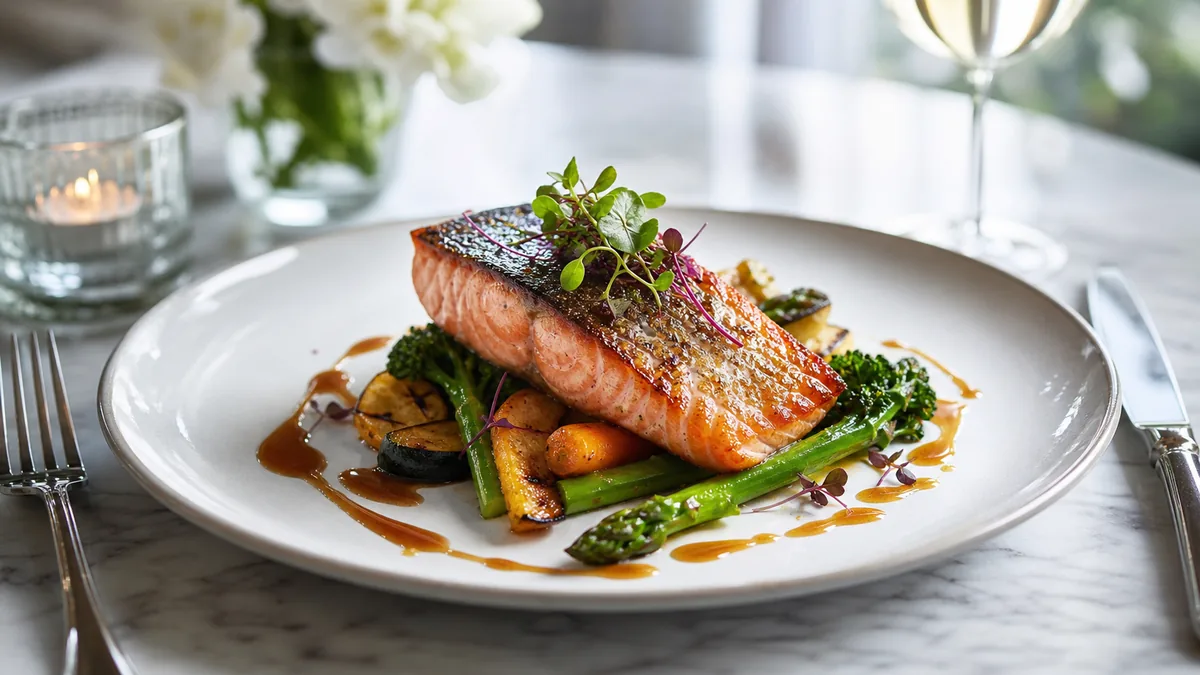
If you have ever asked a food photographer for a quote and felt lost, you are not alone. Restaurant photography pricing is confusing because most of the cost is invisible — it is time, not just camera clicks. This honest guide breaks down what actually drives a shoot's price, what you get for the money, when hiring a pro is genuinely worth it, and when a repeatable phone-plus-AI workflow at a few dollars is the smarter move. The goal is not to talk you out of professional photography; it is to help you spend on it only where it pays off.
The short version
A photoshoot price is mostly time: planning, styling, shooting, editing, and revisions. A "per dish" rate looks cheap until you multiply it across a full menu. And for the photos that change often — specials, seasonal items, new bowls and sandwiches — a repeatable workflow usually beats paying for a shoot every time. Keep the pro for the handful of images that need to last.
What actually drives the cost of a shoot
Even a "small" shoot includes far more than the time behind the camera:
- Pre-production — building the shot list, planning, and scheduling.
- Food styling — making each dish look consistent and camera-ready, which is a craft of its own.
- Shoot-day time — the hours on set, often with a stylist and assistant.
- Editing and exports — color, retouching, and delivering files in the sizes you need.
- Usage rights — licensing, especially if the images run in paid ads.
The camera time is frequently the smallest line item. Styling, editing, and licensing are where the money goes, which is why two quotes for "the same shoot" can differ wildly.
What you actually get (and the questions to ask)
Before you sign anything, get these answers in writing:
- How many final, edited photos are included? A low day rate with five finals is expensive per image.
- Are delivery-app crops included? A great hero shot that does not work as a DoorDash thumbnail still needs rework.
- What is the turnaround time? Two weeks for editing can miss a seasonal window.
- Do we get the full-resolution files? You want the assets, not just web exports.
- What are the usage rights? Ad usage often costs more than the shoot itself.
A clear answer to all five tells you the real per-image price — which is the number that matters.
A realistic cost comparison
Prices vary by city and photographer, but the shape of the comparison holds everywhere:
| Option | Typical cost per finished image | Best for |
|---|---|---|
| Pro studio shoot | $20–$80+ | Hero branding, campaigns, rebrands |
| Freelance photographer | $10–$40 | Mid-size menus, occasional refresh |
| DIY phone only | Your time | Tight budgets, willing to learn |
| Phone + AI enhancement | ~$0.14–$0.60 | Frequent menu and delivery updates |
The studio image is the most polished and the most expensive; the phone-plus-AI image is the most repeatable and the cheapest. The right answer depends on how often the photo needs to change.
When hiring a pro is worth it
Pay for a professional shoot when the image is high-stakes and long-lived:
- Hero branding images for your homepage and paid ads.
- A major rebrand where the whole visual identity is being reset.
- A signature campaign that will run for months and represent the brand.
These are the photos worth styling, licensing, and getting exactly right. Spending real money here is a sound investment because the image works hard for a long time.
When to skip the shoot
If you update often — new specials, seasonal items, rotating bowls and sandwiches — a full shoot for each change does not make financial sense. You will be better served by:
- A small in-house photo station near a window.
- A repeatable workflow: shoot, select, enhance, export, publish.
- AI enhancement plus multi-format exports, so one photo serves your menu, delivery apps, and social.
This is the practical path for most independent restaurants, because the bulk of your photos are the ones that change. For a deeper, every-option breakdown of the numbers, see our food photography costs guide, and for the math on whether a refresh pays back, our menu photography ROI breakdown.
Hidden costs that inflate a quote
The headline price is rarely the real price. Before you compare two photographers, factor in the costs that hide below the line:
- Revisions. Some packages include unlimited revisions; others bill per round. A "cheap" quote with paid revisions can end up the most expensive.
- Usage and licensing. Photos for your menu cost one thing; photos cleared for paid social and search ads often cost more. If you plan to advertise, ask about ad usage up front.
- Reshoots for new items. A shoot captures today's menu. Every special and seasonal item added afterward needs its own coverage, which a one-time shoot does not provide.
- Crops and formats. A beautiful 3:2 hero that has to be re-cropped for every delivery app and social size is more work — and sometimes more money — than it looks.
- Your team's time. Plating, prepping, and supervising a shoot pulls your best people off the line for hours.
Add these up and the effective cost per usable image is usually well above the sticker price. This is exactly why frequently changing menus quietly bleed money on repeat shoots — and why a repeatable in-house workflow tends to win on total cost, not just headline price.
A worked example
Say you run a 30-item menu and refresh it twice a year as specials rotate. A pro shoot at even a conservative $60 per usable image, twice a year, is roughly $3,600 annually before revisions, licensing, and reshoots for mid-cycle additions. The same 60 image-refreshes through a phone-plus-AI workflow run a tiny fraction of that — low tens of dollars in credits plus your shooting time. Neither number is "right" in the abstract; the point is that the more often your photos change, the more the AI workflow wins. Map your real refresh frequency against both costs and the answer for your restaurant becomes obvious.
How the AI workflow actually works
The repeatable option is simpler than it sounds. You photograph the real dish on a phone, then FoodPhoto.ai fixes the lighting, color, gloss, and background without changing the food — honest enhancement, not fabrication. You upload, you get a menu-ready image back, and you export the crops you need.
- Input: a real phone photo of the real dish.
- Output: clean lighting, accurate color, a tidy background, delivery-ready crops.
- Cost: roughly $0.14–$0.60 per finished image instead of $20–$80.
The honesty matters: because the photo always matches what the customer receives, you avoid the "photo didn't match" reviews that boosted or fabricated images create. Want to see it before deciding? Run one dish through the Menu Test Pack.
A simple decision rule
- Long-lived, high-stakes hero image? Hire a pro.
- Frequently changing menu and delivery photos? Use the phone + AI workflow.
- Both? That is the most common answer — a small library of pro hero shots, and an in-house workflow for everything that changes.
Most restaurants overspend by paying studio rates for photos that need to change every month. Match the spend to the lifespan of the image and your photography budget suddenly makes sense.
Your menu deserves better photos without a studio invoice. See the pricing — a one-time $10 Menu Test Pack is five credits, plans start at $15/month for 50 credits, credits roll over, and you can cancel anytime — or just try one dish in the Menu Test Pack first.
Frequently asked questions
How much does restaurant food photography cost?
A professional restaurant photoshoot is mostly time — planning, styling, shoot day, editing, and usage rights — so costs commonly land in the hundreds to low thousands depending on dish count and scope. Per-dish rates look cheap until you multiply by a full menu, which is why frequent updates are usually better served by a phone-plus-AI workflow.
What drives the price of a food photoshoot?
Five things: pre-production (shot list and scheduling), food styling, shoot-day time, editing and exports, and usage rights for ads. The actual camera time is often the smallest part. Revisions and licensing can quietly add the most to a quote.
When is hiring a professional food photographer worth it?
Hire a pro for hero branding images, a major rebrand, or a signature campaign — high-stakes shots you'll use for a long time. For frequently changing items like specials and seasonal dishes, a repeatable in-house workflow with AI enhancement is usually more practical and far cheaper.
Is AI food photography cheaper than a photoshoot?
Yes, dramatically. AI enhancement of a real phone photo runs roughly $0.14–$0.60 per finished image versus $20–$80 per image from a studio. It won't replace a hero campaign shoot, but for menu and delivery-app photos that change often, it's the lower-cost, faster option.