Food Photography Trends 2026: 7 Restaurant Photo Shifts That Win Clicks
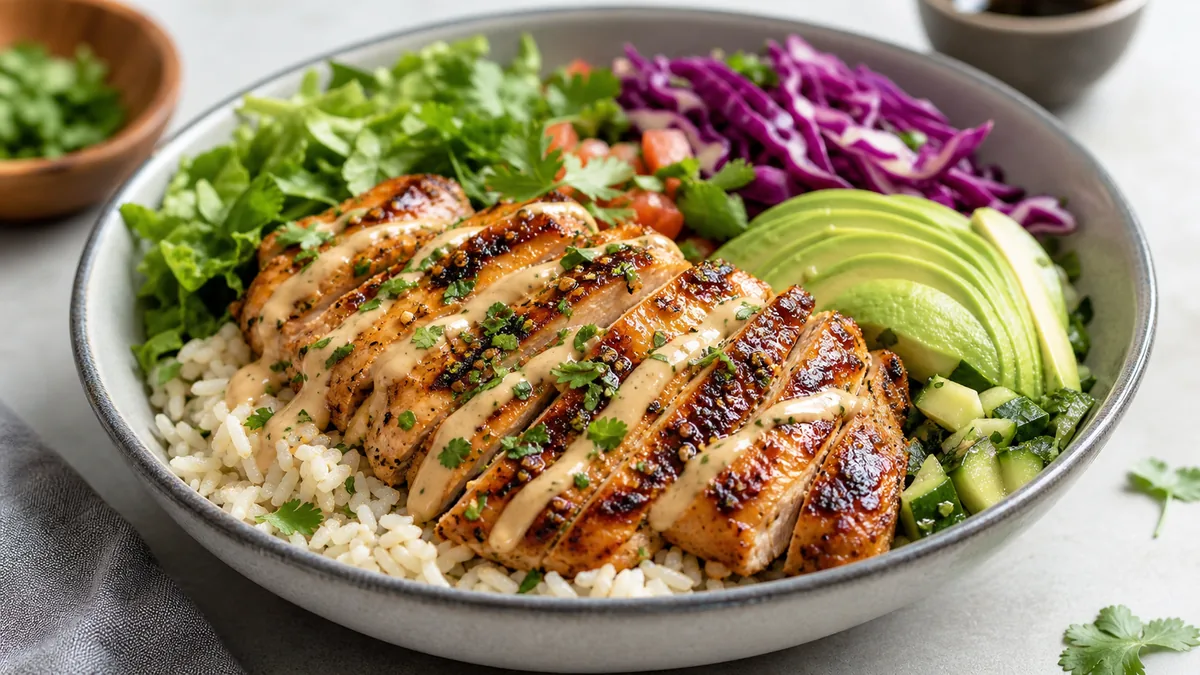
In 2026, AI food photography is not new — it is normal. That means the advantage is no longer “we use AI”; the advantage is using AI in a way that stays believable, consistent, and fast. The food photography trends 2026 that win clicks are honest enhancement of real dishes, images built for thumbnails, delivery-ready crops, and a menu that looks like one brand. This guide covers the seven shifts worth adopting now, the two that quietly erode customer trust, and a workflow you can copy straight into your ops docs.
The short answer
The trends winning in 2026 are: honest AI enhancement of real photos, thumbnail-first composition, menu-wide consistency, multi-format delivery exports, faster (weekly) refresh cycles, still-plus-motion capture, and transparent AI-use policies. The two losing trust are fully AI-generated “fantasy” dishes and edits that change portions or ingredients. The rest of this post explains each, with the practical action you can take this week.
The 7 trends 2026 rewards (at a glance)
| # | Trend | Why it wins now | First action this week |
|---|---|---|---|
| 1 | Honest AI enhancement | Believable + fast, no shoot needed | Enhance one hero dish from a real photo |
| 2 | Thumbnail-first composition | Apps and search show tiny images | Re-crop your top 5 sellers to fill the frame |
| 3 | Menu-wide consistency | Same look = premium brand feel | Pick one background + brightness standard |
| 4 | Multi-format exports | One dish, many channels | Export square, 16:9, and vertical from each shot |
| 5 | Weekly refresh cycles | Current menus convert better | Schedule a 60-minute photo sprint |
| 6 | Still + motion | Short clips lift social reach | Capture a 3-second pour or steam shot |
| 7 | Transparent AI policy | Trust is the new differentiator | Write one honest sentence about your editing |
1. Honest AI enhancement (not fantasy generation)
Restaurants do not need AI to invent food. They need AI to fix lighting, clean backgrounds, remove distractions, standardize the menu, and export the right sizes. The winning input is a real phone photo of the real dish. The output looks like a great photo of that dish — not a glossier, different one. This is the single most important shift in 2026, because it is the one customers actually reward with orders instead of refunds.
2. Thumbnail-first composition
Delivery apps, Google, and social feeds all display your photos small. A composition that looks fine full-screen can disappear at thumbnail size. Compose for the smallest size your photo will appear at: fill the frame with the food, keep the background simple, and check the crop at thumbnail scale before you publish. Our delivery app thumbnail playbook breaks down the crop-safe rules in detail.
3. Menu-wide consistency is the new premium
One beautiful photo next to nine mediocre ones makes the whole menu look worse. In 2026, consistency is the upgrade: same background, same brightness, same angle logic across every item. That visual coherence is what makes an independent restaurant feel like a real brand. It is also the easiest win, because enhancement lets you bring old and new photos to the same standard without reshooting everything.
4. Multi-format, no-rework exports
One dish now needs to appear as a square for Instagram, a 16:9 for your website hero, and a vertical for Reels and stories. The trend is shooting and enhancing once, then exporting every format you need from the same image — instead of redoing the work per channel.
5. Faster, weekly refresh cycles
Big annual photoshoots are giving way to short, frequent sprints. A weekly or specials-driven refresh keeps the menu current, lets you test what converts, and spreads the work into manageable chunks. If you want a repeatable routine, start with the weekly restaurant photo sprint mindset: shoot in batches, enhance in one pass, publish, repeat.
6. Still plus a little motion
Short clips — a sauce pour, a steam rise, a cheese pull — lift reach on social and add life to a website hero. You do not need a videographer; a 3-second phone clip alongside your still photos is enough to ride this trend without adding real cost.
7. Transparent AI-use policy
As AI editing becomes universal, the differentiator flips to trust. A simple, honest statement — “we photograph our real dishes and use AI to improve lighting and clarity, never to change the food” — reassures customers and aligns with where platform expectations are heading. Honesty is becoming a marketing asset, not a disclaimer to hide.
The 2 trends quietly killing trust
Fantasy generation
Fully AI-generated dishes that were never cooked are the fastest way to lose a customer. The image looks perfect, the food arrives different, and the gap between the two shows up in reviews as “photo didn’t match.” Even one fantasy image can make customers distrust your entire menu.
Edits that change portions or ingredients
Stretching the portion, adding toppings that are not in the recipe, or recoloring an ingredient is the same trust problem in a smaller package. The line is simple: enhance the photo, never the food. If the edit changes what the customer receives, it is the wrong edit.
The copyable 2026 workflow
Put these trends into one repeatable loop:
- Shoot real dishes on a phone in batches, near one consistent light source.
- Select the best frame per item.
- Enhance lighting, color, and background — without changing the food.
- Export every format you need from each image.
- Publish to your menu, delivery apps, GBP, and social.
- Repeat weekly for specials, quarterly for the full menu.
The enhancement step is exactly what FoodPhoto.ai does: upload a real photo and it fixes lighting, color, gloss, and background while keeping the dish honest. You can run a single dish through the Menu Test Pack to see the before/after before committing to a full menu pass.
How to know if you’re on the right side of these trends
A quick self-audit tells you where you stand. Open your menu, your top delivery listing, and your Google Business Profile side by side and ask:
- Do the photos look like one brand, or like ten different restaurants?
- Does each hero dish read clearly at thumbnail size, or does it turn to mush when small?
- Is the color accurate, or boosted to a point a customer would notice the mismatch?
- When did you last refresh a special’s photo — this month, or last year?
- Could you honestly say “this is a real photo of our real dish, just better lit”?
If you answered the wrong way to two or more of these, you are not behind on technology — you are behind on discipline. The good news is that discipline is cheap to fix: a consistent standard, applied to a batch of real photos, closes the gap fast. The restaurants winning in 2026 are not the ones with the fanciest tools; they are the ones whose photos are honest, consistent, and current.
What this means for your budget
The cost of looking premium in 2026 has collapsed. Instead of $20–$80 per studio image, honest AI enhancement runs roughly $0.14–$0.60 per finished image — which is what makes weekly refreshes and menu-wide consistency realistic for an independent restaurant. For the full money math, see our food photography costs guide.
The headline for 2026 is restraint plus speed: real food, honest edits, consistent across the menu, refreshed often, and built for the thumbnail. Adopt the seven, skip the two, and your photos will do the selling.
Ready to put it into practice? Run your best-selling dish through the Menu Test Pack and check the pricing — a $10 Menu Test Pack is enough to standardize your top items and feel the difference.
Frequently asked questions
What are the food photography trends 2026 is rewarding?
In 2026 the winning trends are honest AI enhancement of real dish photos, thumbnail-first composition, menu-wide visual consistency, multi-format delivery exports, faster weekly refresh cycles, still-plus-motion capture, and transparent AI-use policies. The two trends losing trust are fully AI-generated fantasy dishes and edits that change portions or ingredients.
Is AI-generated food photography still a good idea in 2026?
AI enhancement of a real photo is a great idea; fully AI-generated fantasy food is not. Customers can tell when an image doesn’t match what arrives, and the mismatch drives refunds and bad reviews. The safe, effective approach is to photograph the real dish and use AI to fix lighting, color, and background without changing the food.
What is thumbnail-first food photography?
Thumbnail-first means composing every photo so it still reads at the small size delivery apps and search results actually display. You fill the frame with the dish, keep the background simple, and check the image at thumbnail scale before publishing — because that’s the size that wins or loses the order.
How often should restaurants update menu photos in 2026?
The 2026 trend is shorter cycles. Refresh hero items and specials weekly or on a light sprint, and review the full menu quarterly. Fast, consistent refreshes beat occasional big photoshoots because they keep the menu current and let you test what converts.